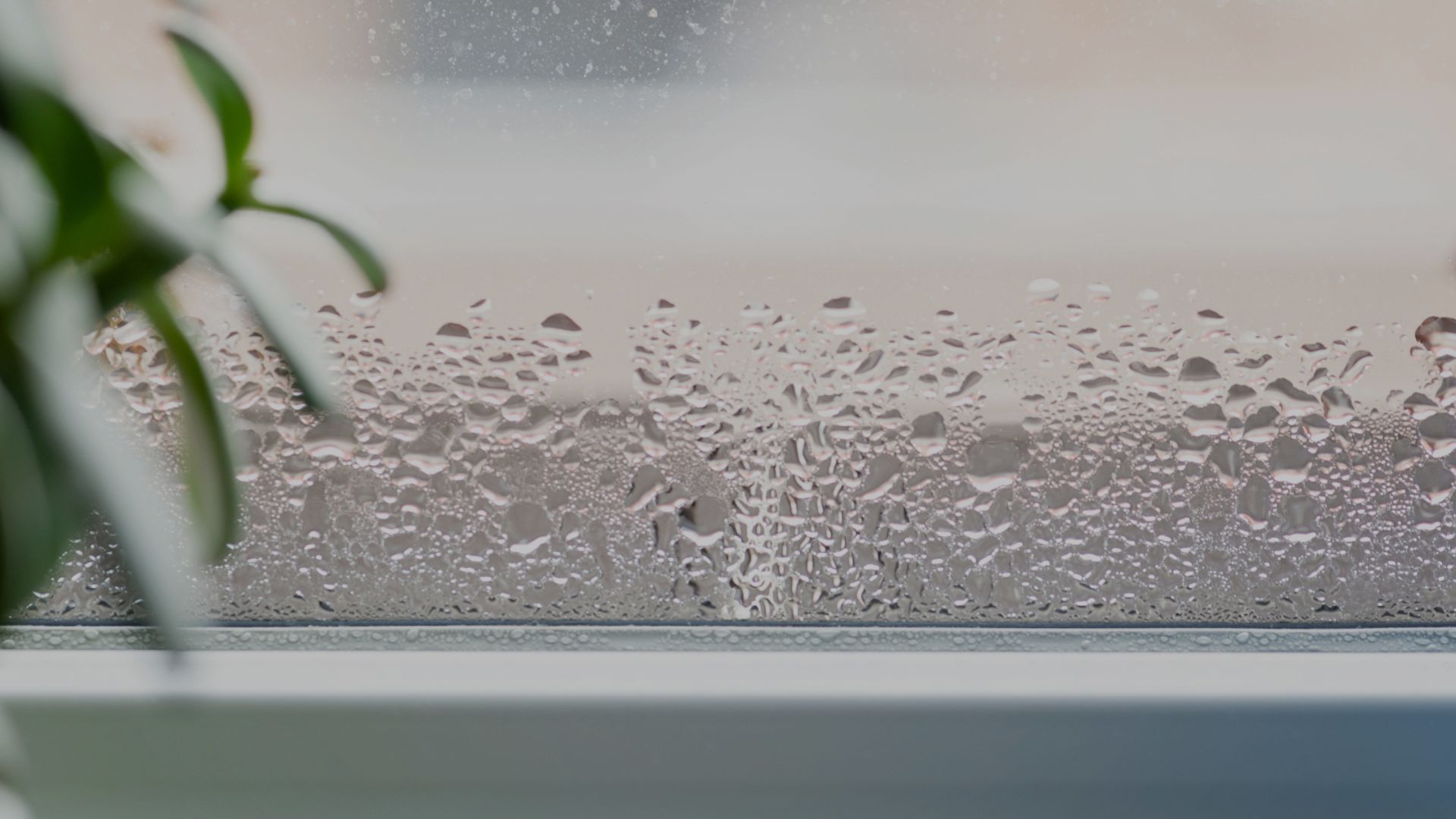
In most cases, energy recovery involves only sensible heat (the transfer of temperature from one flow to another), but it can also involve total heat, that is, not only sensible heat but also latent heat (the transfer and recovery of temperature and humidity)
The enthalpy heat exchanger allows both sensible and latent energy to be recovered from the air without transferring vapours or odours: temperature is transferred from the flow with the higher value to the one with the lower value and, similarly, moisture is transferred in the form of water vapour from the flow with the higher vapour pressure to the one with the lower vapour pressure.
The latest generation of heat exchangers has overcome the limitations of the first enthalpy heat exchangers, which were made of treated paper and could pose hygiene issues. They are now manufactured using a permeable polymer membrane (synthetic material) fitted with a special coating that prevents the growth of mould and bacteria.
The dew point inside the exchanger is lower, and there is no need for a condensate drain. Routine maintenance is the same as for a standard heat exchanger, and it can be washed with water.
Ideal for cold climates because heating the air supplied to rooms tends to make it drier, which could result in a dry indoor environment (without an enthalpy exchanger);
In summer, the enthalpy heat exchanger removes moisture from the fresh outside air, transferring it to the air extracted from the rooms and then expelled.